

Table of Contents
ToggleReading Time: 4 minutes
I. Introduction
Defining the Craft: The Chemistry of Printmaking
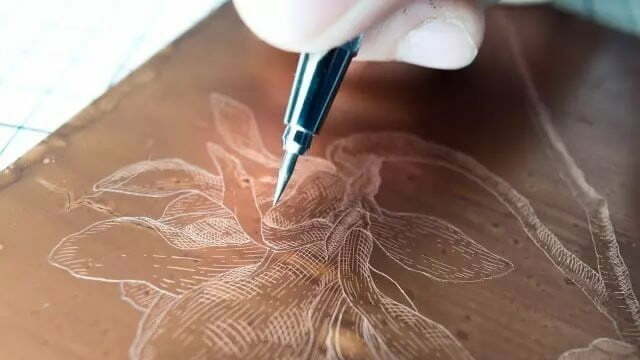
Etching is a printmaking method that employs a metal plate as the surface to create an image. The plate is often made of copper or zinc. The plate has a waxy coating called a ground that is scratched to expose the metal underneath. The exposed metal is then placed in an acid bath, where the metal corrodes and a shallow trench forms in the surface. The elevated picture on the paper is the result of the ink absorbing into the trenches after the plate has been inked and placed onto paper. Etching is a common choice among painters and printmakers because of its propensity for producing delicate, intricate lines and vibrant tonal variations.


The Evolution of Etching Through the Ages
Early Pioneers: Dürer, Van Leyden, and Goltzius
The term “early examples of etching” refers to the earliest occurrences of this printmaking method in Europe in the late 15th and early 16th centuries. Albrecht Dürer, Lucas van Leyden, and Hendrick Goltzius were among the painters who produced some of the early etchings. These painters created detailed pictures and patterns on metal plates using the etching technique, and many prints were made from those metal plates. Landscapes, portraits, and images from mythology and religion were frequently depicted in early etchings. Etching became a well-liked method of printmaking thanks in large part to the highly sought-after nature of these works among collectors.

The European Flourishing: 17th Century Innovations

The 19th Century Revival: Societies, Goya, and Exhibitions
Printmaking technique interest was rekindled in the 19th century with the resurgence of etching. This renaissance was brought about by the introduction of new etching techniques, the formation of etching societies, and the popularity of works by well-known etchers like Rembrandt and Goya. This period saw a variety of inventive and expressive works produced as a result of artists’ experiments with various techniques, styles, and subjects. A greater respect for the fine art of etching also emerged during the 19th-century revival, as seen by the proliferation of etching exhibitions in galleries and museums and the ardent pursuit of famous etchers’ works by collectors.


Independent Artist | MFA | Graphics | Visual Arts | Print Making
Discover the work of Avidipta, an MFA-qualified visual artist, specializing in printmaking, graphics, and contemporary fine art. Explore projects, blogs, and exhibitions.